Introduction
Recent discussions in the technology and legal sectors emphasize the critical need to embed human rights within AI governance frameworks. As artificial intelligence continues to advance rapidly, ensuring ethical development becomes paramount to prevent systemic biases and protect societal interests. Embedding human rights in AI governance is not merely a regulatory checkbox but a foundational approach to align innovation with fundamental freedoms. This strategic integration safeguards against unintended harm while fostering trust in AI technologies.
Main points
From Principles to Practical Frameworks
The transition from abstract ethical principles to actionable AI governance models is gaining momentum, as highlighted by recent thought leadership in the field. Practical governance frameworks now increasingly incorporate human rights considerations, ensuring that AI systems respect privacy, equality, and freedom from discrimination. This move suggests a necessary evolution in AI oversight, shifting from theoretical commitments to enforceable standards that can guide developers and policymakers alike. For those following the industry, this highlights how embedding human rights is becoming central to credible AI governance.
Addressing Systemic Bias Through Rights-Based Governance
One of the core challenges in AI development is the risk of perpetuating systemic biases that can marginalize vulnerable groups. Human rights-centered governance frameworks provide a robust mechanism to identify and mitigate these biases before they cause widespread harm. By embedding principles such as fairness and non-discrimination directly into AI regulations, organizations can proactively address ethical risks. This approach underscores the strategic importance of intertwining human rights advocacy with AI innovation to promote equitable technological progress.
Balancing Innovation and Individual Freedoms
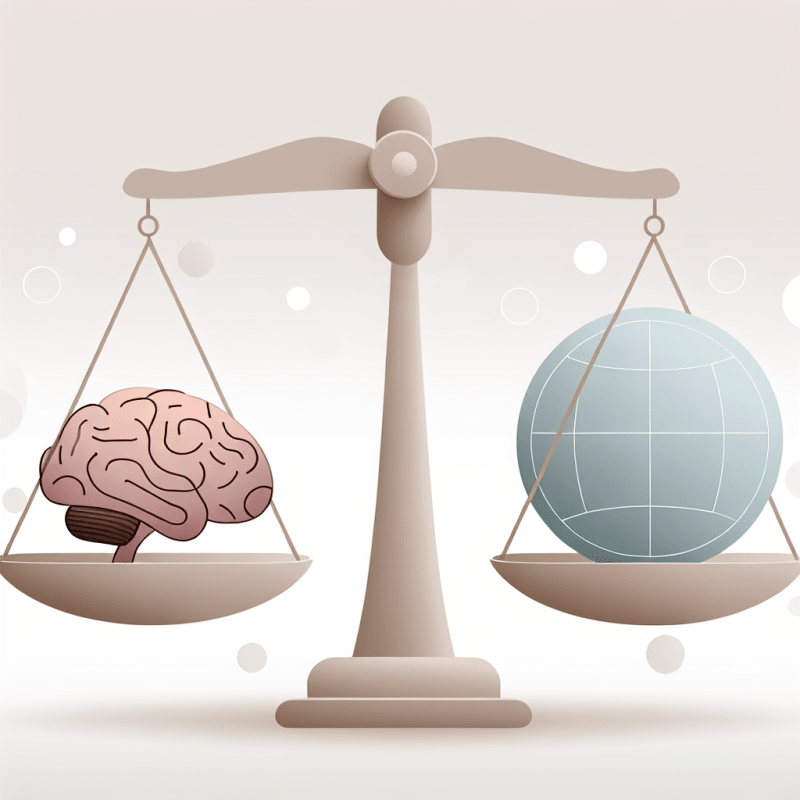
Governance models that incorporate human rights strive to maintain a delicate balance between fostering AI innovation and protecting individual freedoms. While rapid technological advancement promises significant benefits, unchecked development can threaten privacy, autonomy, and other fundamental rights. The evolving AI governance landscape reflects a growing consensus that safeguarding these freedoms is essential for sustainable innovation. This balance is crucial for building public trust and ensuring that AI serves societal good without compromising human dignity.
- Human rights must be foundational in AI governance to prevent ethical lapses and systemic biases.
- Practical frameworks are evolving to translate human rights principles into enforceable AI standards.
- Effective governance balances technological innovation with the protection of individual freedoms.
Conclusion
Embedding human rights into AI governance frameworks represents a pivotal step toward ethical technology development that aligns with societal values. This strategic focus not only helps prevent systemic bias and discrimination but also anchors AI innovation within a broader context of protecting fundamental freedoms. Over the long term, integrating human rights into AI governance will build resilience and trust, ultimately ensuring that AI technologies benefit everyone fairly. As AI continues to shape economies and communities, governance models must evolve dynamically to uphold ethical standards. Moving forward, stakeholders should prioritize collaborative efforts to develop transparent, rights-based AI regulations that are adaptable to emerging challenges and innovations.
Source: Read the original
