Introduction
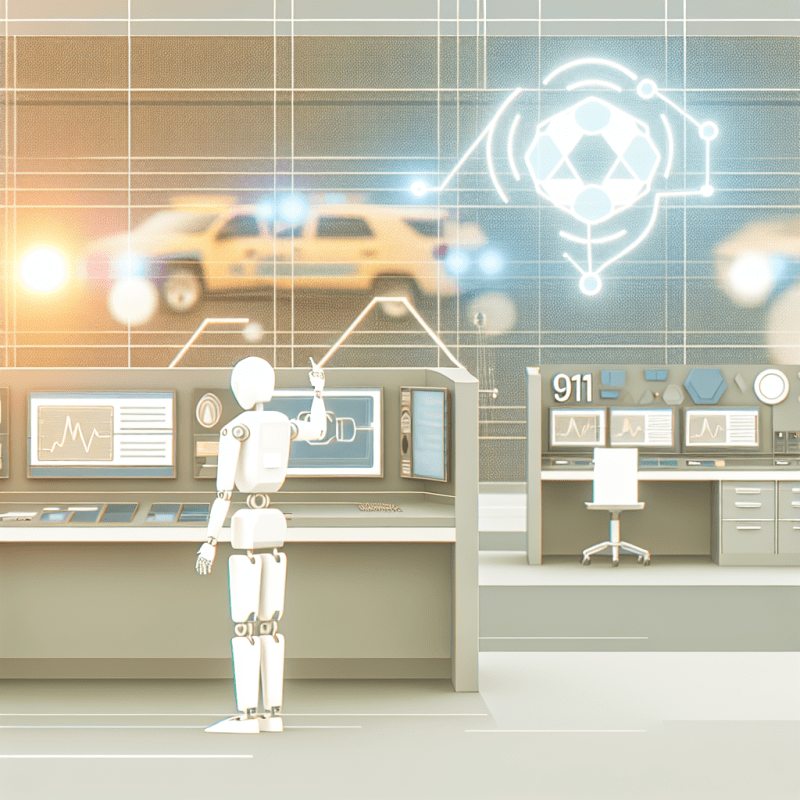
Several counties in Wisconsin have started integrating artificial intelligence (AI) into their 911 dispatch operations. This development aims to enhance emergency response efficiency and support dispatchers in managing high call volumes more effectively.
Main points
AI Assisting 911 Dispatch Centers
The AI systems implemented in these centers analyze incoming emergency calls to identify critical information rapidly. By processing data more quickly, AI can help prioritize dispatches and reduce response times in urgent situations.
Benefits to Emergency Responders
Using AI tools allows dispatchers to focus more on communication and decision-making while relying on technology for routine data extraction. This support can alleviate the pressure of handling multiple simultaneous calls, improving overall call management.
Challenges and Considerations
While AI offers promising advantages, it also raises questions about accuracy, privacy, and the need for ongoing human oversight. Ensuring the technology complements rather than replaces human judgment is crucial in emergency contexts.
- AI helps quickly analyze and prioritize 911 calls, potentially improving response times.
- Dispatchers benefit from reduced workloads and enhanced focus on critical decisions.
- Human oversight remains essential to address AI limitations and maintain safety.
Conclusion
The adoption of AI in Wisconsin’s 911 dispatch centers represents a practical step toward modernizing emergency services with technology. By improving call processing and dispatcher support, these systems can contribute to more effective public safety operations. Emergency response agencies should continue evaluating AI tools while maintaining a balance between automation and human expertise.
Source: Read the original
