What Happened
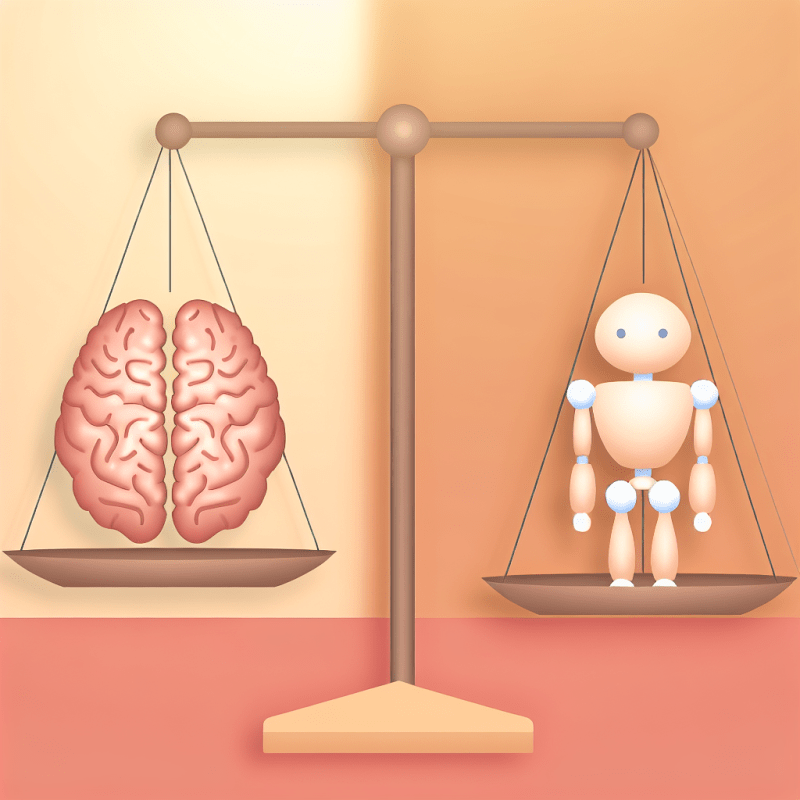
AI tools are becoming more common in higher education, helping students write papers, solve problems, and research topics faster. However, the biggest worry is that students might start depending too much on these tools. It’s like using a calculator for every math problem—handy, but it can weaken your basic math skills over time. This matters to you because if learning turns into just getting fast answers, the skills that prepare you for real-world challenges and jobs could suffer.
What This Means for You
How might relying on AI affect my actual learning?
Relying heavily on AI tools can make you skip the deep thinking and problem-solving parts of learning. For example, if a student uses AI just to write essays without understanding the topic, they miss out on practicing critical thinking and writing skills. In your daily work, this could mean losing the ability to analyze problems independently, which is important for making good decisions and standing out professionally.
Could this change how educators teach or grade students?
Teachers might start focusing less on just finding the right answers and more on how students arrive at those answers. For instance, educators may design assignments that require explaining your thought process or creating projects that AI can’t easily do. This shift could affect you as a learner or parent because education might become more about developing skills than memorizing facts.
What’s the risk for future job readiness?
If students become too used to AI shortcuts, they might struggle with tasks that need creativity, problem-solving, or critical thinking when they enter the workforce. Imagine a job where quick fixes don’t work, and you need to rely on your own skills. This could impact how prepared you or your children feel for real-world challenges, making it important to balance AI use with learning core skills.
- Use AI tools to explore ideas, not just get quick answers.
- Focus on understanding concepts deeply, not just finishing tasks faster.
- Encourage or seek assignments that require explaining your reasoning or creativity.
Your Next Step
Try using an AI tool today as a study buddy—ask it to explain a concept you find confusing rather than just giving you the answer. This helps you learn better and keeps your thinking sharp.
Source: Read the original
