What Happened
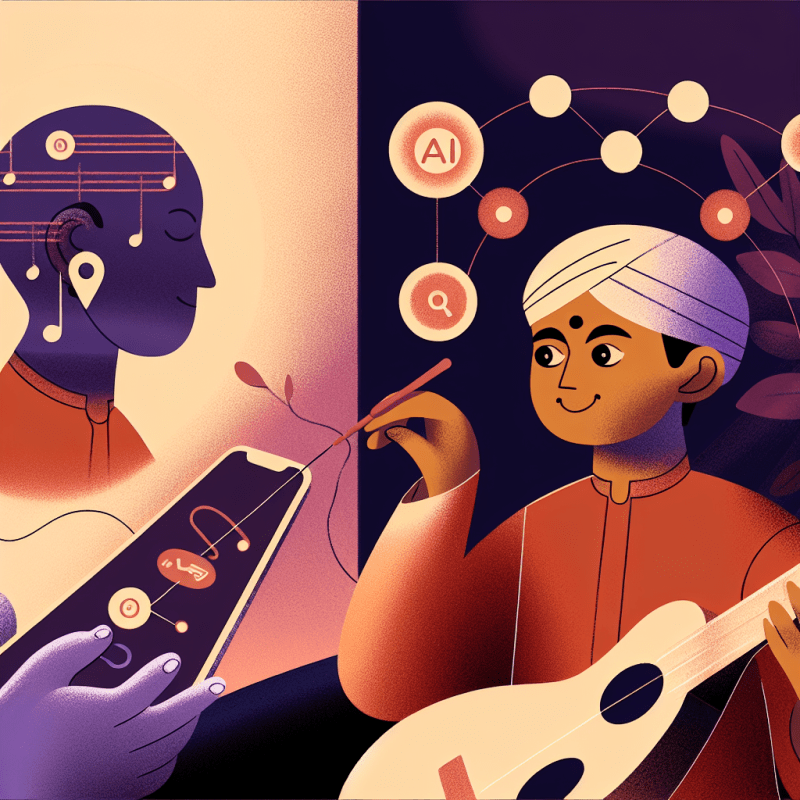
Recently, researchers took a close look at how smart tools like AI that assess your music skills and even create music are changing the way people learn music. Imagine having a helpful coach who listens to your practice and gives instant feedback or even suggests new melodies—that’s what these AI tools do. The study found that while these technologies can boost your confidence and creativity, there’s also a risk of leaning too much on them instead of trusting your own musical judgment. This matters to you because whether you’re picking up an instrument for fun or teaching music, knowing how to balance AI help with your own thinking can make your learning or teaching experience more meaningful.
What This Means for You
Can AI really help me learn music faster?
Yes, AI can act like a helpful tutor that’s available anytime you want to practice. For example, AI tools can listen to your playing and give you tips on how to improve your timing or pitch right away, without waiting for a teacher’s schedule. This instant feedback can keep you motivated and make practice sessions more productive, especially if you don’t have regular access to a music instructor. For your daily life, this means you can fit music learning around your busy schedule and still see progress.
Should I worry about relying too much on AI for music feedback?
It’s a good idea to be aware of this. While AI can point out mistakes or suggest ideas, it doesn’t replace the personal insight you develop by listening closely and experimenting yourself. Think of it like using GPS for directions; it helps, but you still need to recognize when to take a different route if traffic changes. If you depend too much on AI, you might miss out on developing your own musical instincts and creativity. So, in your practice or teaching, try to use AI as a tool, not the boss.
How can music teachers use AI without losing the human touch?
Teachers can use AI to save time on routine tasks, like checking if students are hitting the right notes, so they can focus more on encouraging creativity and expression. For example, a teacher might use AI to identify areas where a student struggles, then customize lessons based on those insights while still inspiring the student to make music their own. This balance helps maintain the personal connection that’s key to learning. If you’re a teacher or a learner, combining AI feedback with your own experience creates a richer, more supportive environment.
- Use AI tools to get quick feedback but also set aside time to listen and reflect on your own playing.
- Remember AI is a guide, not the final judge—trust your ears and feelings about the music.
- If you teach music, use AI to handle simple checks so you can focus on inspiring creativity and personal growth.
The Bigger Picture
Looking ahead, AI in music education could open up music learning to more people by making expert feedback accessible anytime, anywhere. This could encourage more creativity and confidence in learners who might otherwise feel stuck or self-conscious. However, the challenge will be to use these smart tools without losing the personal discovery and critical thinking that make music truly meaningful. As AI becomes a more common part of how we learn, balancing technology with our own judgment will be a valuable skill in many areas, not just music. A good first step today is to try using an AI music app or tool alongside your usual practice, noticing how it helps but also where you want to trust your own instincts more.
Source: Read the original
