Introduction
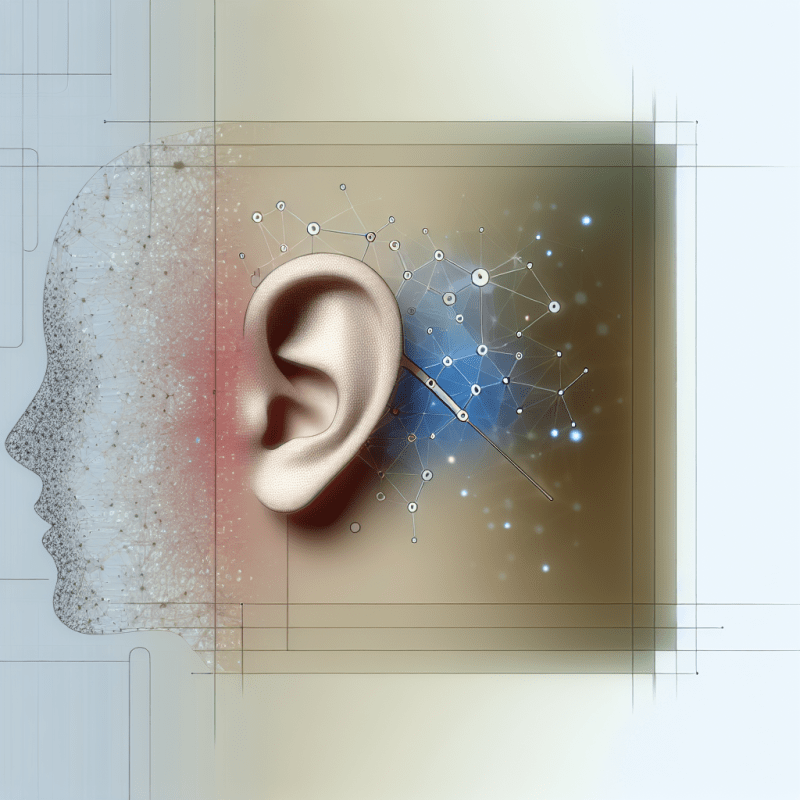
Recent discussions around AI listening technology reveal a significant evolution in how artificial intelligence systems process and respond to human communication. This progress highlights a core shift towards developing technologies capable of more empathetic and meaningful interactions. By enhancing the ability to truly "listen," AI stands to transform communication dynamics in both consumer and professional settings. This move suggests a future where technology not only hears but understands, bridging empathy gaps and fostering better connections.
Main points
Advancements in AI Listening Capabilities
Modern AI systems are increasingly designed to recognize not just words but the context, tone, and emotional cues in human speech. These improvements allow AI to interpret nuanced conversations, providing responses that feel more natural and considerate. Such enhancements mark a departure from earlier, more mechanical interactions toward systems that can engage in empathetic listening. For those following the industry, this highlights a deliberate effort to move beyond transactional communication, positioning AI as a partner in dialogue rather than a mere tool.
Bridging Empathy Gaps Through Technology
One of the most promising aspects of AI listening technology is its potential to close empathy gaps in various environments. From customer service to mental health support, AI’s ability to detect and respond to emotional states can improve user experiences significantly. This approach not only benefits consumers but also supports professionals by expanding their capacity to understand and connect with others. It is worth noting that as AI becomes more adept at empathetic listening, it may redefine how empathy is practiced and enhanced in digital interactions.
Implications for Human Communication Skills
The rise of AI listening technologies also encourages a reflection on human listening skills themselves. As AI sets new standards for attentiveness and responsiveness, it challenges individuals and organizations to elevate their own communication practices. This technology acts as a catalyst, promoting a culture where listening is valued and practiced more deeply. Such a shift could have lasting effects, fostering environments where empathetic communication is the norm rather than the exception.
- AI listening technology is advancing to understand emotional context, fostering more empathetic interactions.
- These technologies can bridge empathy gaps in both consumer-facing and professional settings.
- The evolution of AI listening challenges and inspires improved human listening and communication skills.
Conclusion
Looking ahead, the continued development of AI listening technology represents more than just technical progress; it signals a fundamental transformation in how humans and machines communicate. By prioritizing empathy and deeper understanding, AI has the potential to enhance human connection across diverse domains, from customer interactions to personal relationships. This evolution underscores the importance of listening as a skill that technology can amplify rather than replace. Over time, such advancements may lead to richer, more compassionate communication experiences that benefit society as a whole. Exploring and adopting these technologies thoughtfully could be a meaningful next step towards a future where everyone feels truly heard.
Source: Read the original
