Introduction
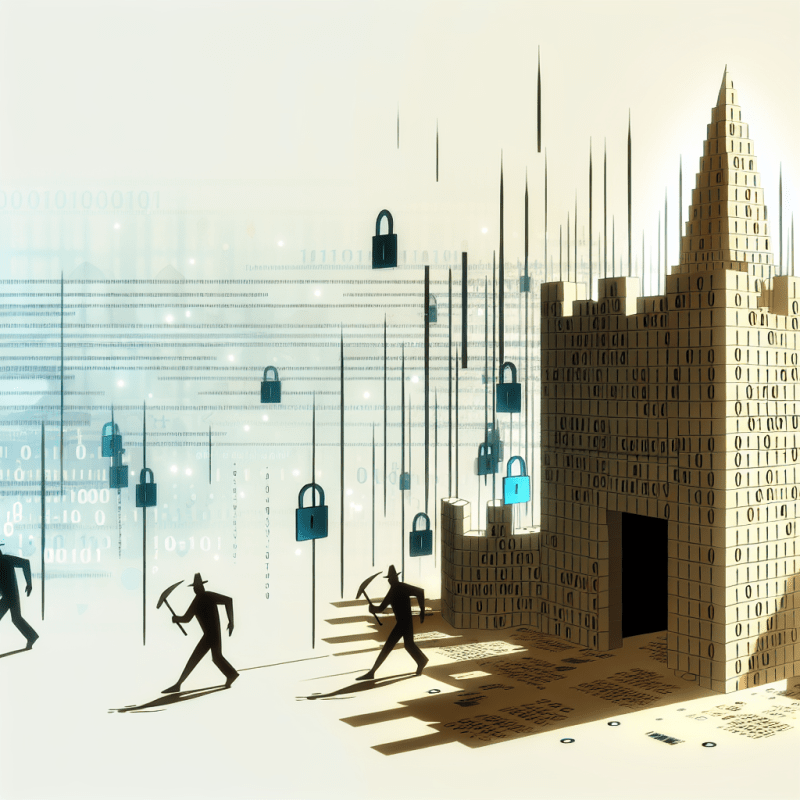
Recent reports have uncovered a troubling trend of criminals hijacking and reselling AI infrastructure, exposing a serious and growing security vulnerability within the AI ecosystem. This development underscores the risks that exist beyond the AI algorithms themselves, specifically within the physical and cloud-based infrastructure that powers AI applications. As AI adoption accelerates globally, the integrity and security of its foundational resources become paramount to maintaining trust and operational stability. Understanding and addressing these emerging threats is critical for stakeholders invested in sustainable AI growth.
Main points
Hijacking of AI Infrastructure: A New Cybersecurity Frontier
Cybercriminals have begun exploiting weaknesses in AI infrastructure by illicitly seizing control of hardware and cloud resources originally intended for legitimate AI workloads. This hijacking often involves unauthorized access to cloud accounts or exploiting vulnerabilities in data center hardware, allowing attackers to resell these AI assets on underground markets. This trend highlights a previously overlooked area in cybersecurity, where the physical and virtual infrastructure supporting AI operations can become a lucrative target for malicious actors. For those following the industry, this highlights the urgent need for enhanced security protocols focused specifically on AI infrastructure environments.
Risks Amplified by Complex AI Supply Chains
The AI infrastructure ecosystem is characterized by complex, multi-layered supply chains involving hardware manufacturers, cloud service providers, and software developers. This complexity introduces multiple attack surfaces that bad actors can exploit to compromise AI resources. The resale of hijacked AI infrastructure is not only a financial crime but also a threat that can undermine the reliability and safety of AI services dependent on these assets. It is worth noting that strengthening supply chain security requires coordinated efforts between private companies and regulatory bodies to implement rigorous validation and monitoring mechanisms.
Need for Robust Protective Measures and Regulation
Current cybersecurity frameworks often fall short in addressing the unique challenges posed by AI infrastructure protection. The growing incidents of hijacking serve as a call to action for developing specialized security solutions tailored to AI environments, such as enhanced identity management, continuous resource auditing, and advanced anomaly detection. Additionally, regulatory frameworks must evolve to mandate stricter compliance standards and transparency in AI infrastructure usage and ownership. This move suggests that proactive policy-making and industry collaboration are vital to safeguarding AI resources from exploitation and preserving trust in AI technologies.
- AI infrastructure hijacking exposes a significant and emerging cybersecurity risk beyond algorithmic vulnerabilities.
- Complex supply chains in AI infrastructure create multiple points of vulnerability that require coordinated security efforts.
- Robust, specialized protective measures and updated regulatory frameworks are essential to mitigate hijacking threats.
Conclusion
The hijacking and resale of AI infrastructure represent a formidable challenge that extends beyond traditional cybersecurity concerns, striking at the very backbone of AI deployment. As AI technologies become more integral to various industries, ensuring the security of the infrastructure that supports these systems is crucial to maintaining operational continuity and public confidence. Failure to address these vulnerabilities could result in widespread disruption and erode the trust that fuels AI innovation. Moving forward, a holistic approach combining technical safeguards, regulatory oversight, and industry collaboration will be necessary to protect AI infrastructure from malicious exploitation. A recommended next step is for organizations to conduct comprehensive risk assessments focused specifically on their AI infrastructure and incorporate emerging best practices for securing these critical assets.
Source: Read the original
