What Happened
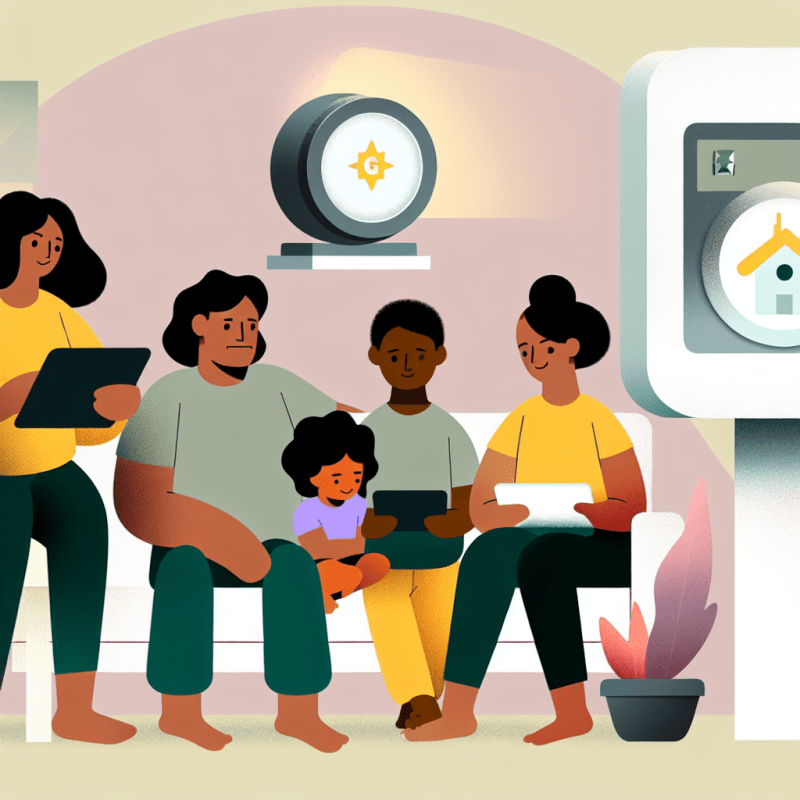
Recently, former President Trump hosted a meeting with top AI leaders to sign a pledge promising that advances in artificial intelligence won’t cause your household utility bills to go up. Think of it like a group of neighbors agreeing not to crank up the neighborhood’s electricity just because they bought a fancy new gadget. This pledge is important because as AI becomes more common in businesses and services, it might use more energy—and that could mean higher costs for you. The commitment aims to keep your electricity and heating bills steady, even as AI technology grows.
What This Means for You
Could AI really make my utility bills increase in the first place?
AI systems, like the ones that power online assistants or smart office tools, often run on powerful computers that need a lot of electricity. Imagine if your favorite coffee shop started using a dozen new espresso machines—they’d need more power, right? Similarly, if AI’s energy use grows unchecked, it has the potential to raise overall demand and push utility prices higher. This pledge shows there’s awareness of that risk, so you might not have to worry about sudden spikes on your monthly bills due to AI.
How will this pledge affect the way offices and businesses use AI?
For workplaces, AI tools are becoming a daily helper, analyzing data or automating routine tasks. But behind the scenes, these tools can be energy-hungry. The pledge encourages companies and AI developers to find smarter, energy-efficient ways to build and run these systems. This could mean your office uses AI in ways that don’t lead to higher energy costs, helping businesses keep expenses stable and avoid passing those costs onto employees or customers.
What can I do to stay informed and make smart choices about AI and my utility bills?
It’s good to keep an eye on how AI adoption influences energy use in your home and workplace, even if direct effects seem small now. For example, if your office starts using new AI services, ask how they’re managing energy consumption. At home, you might notice if smart devices start using more power and ask about energy-saving settings. Staying curious helps you understand how technology changes impact your daily costs and can guide you in discussing energy efficiency with your employer or utility provider.
- Be aware that AI technology can use a lot of energy, which might affect utility bills if unmanaged.
- Encourage your workplace to adopt energy-efficient AI practices to help keep costs stable.
- Monitor your own energy use as you add AI-powered devices or services at home.
Your Next Step
Today, you can start by asking your employer or IT department about the energy impact of the AI tools your office uses and whether they follow energy-saving guidelines. This simple step helps you stay informed and supports efforts to keep utility bills steady as AI grows.
Source: Read the original
