What Happened
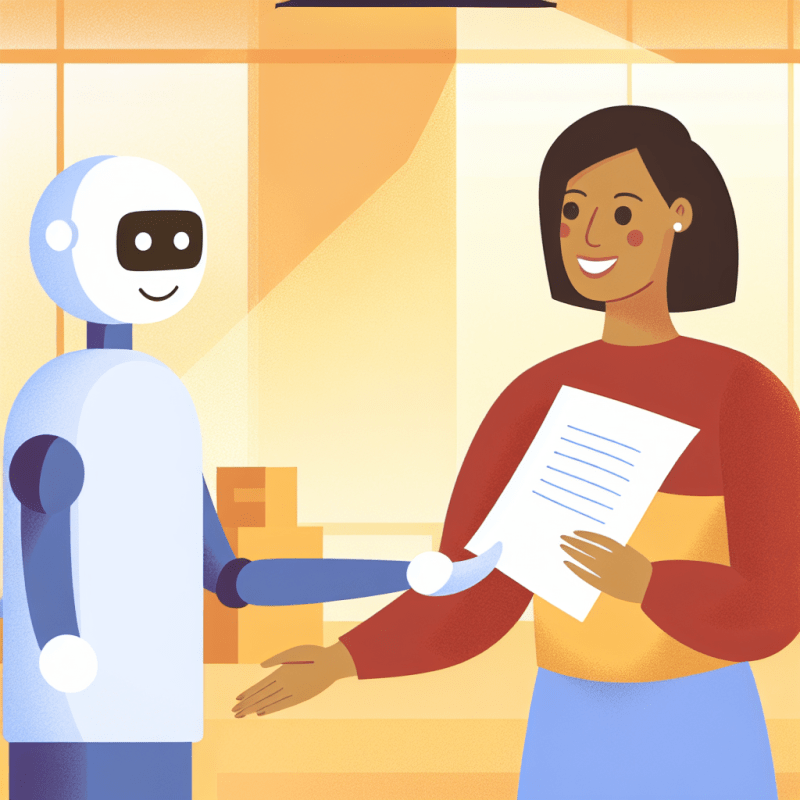
Artificial intelligence, or AI, is increasingly being used at work to handle repetitive tasks like scheduling meetings, entering data, and managing emails. Think of it like having a virtual assistant who takes care of the boring stuff, so you can focus on the parts of your job that need creativity and decision-making. This shift is improving how efficiently tasks get done, which means your workday might become less stressful and more productive. The big deal? AI could change how you work every day, making some chores faster but also asking you to learn new tools and ways of doing things.
What This Means for You
How might AI change the way I manage my daily work tasks?
AI can help you spend less time on routine jobs like sorting emails or filling out forms. For example, AI tools can automatically organize your inbox or suggest responses, saving you precious minutes. This means instead of getting bogged down in small chores, you might have more time to focus on projects that require your unique skills and ideas. The catch is you’ll need to get comfortable using these new AI helpers, which might feel like learning a new gadget at first.
Could relying on AI reduce workplace stress or create new challenges?
By automating mundane tasks, AI can lighten your workload and reduce the stress of tight deadlines or endless emails. Imagine not having to manually enter data or schedule meetings—AI can handle that quietly in the background. However, this shift also means adapting to new software and trusting AI’s suggestions, which might feel uncertain initially. Over time, though, many people find that having AI as a personal assistant helps them feel more in control and less overwhelmed.
Will AI efficiency tools affect the skills I need to succeed at work?
Yes, as AI takes over routine tasks, you’ll likely need to sharpen skills that AI can’t do—like critical thinking, creativity, and communication. For instance, instead of spending hours compiling reports, you might focus on analyzing insights and making strategic decisions. This could make your job more interesting but also means you’ll need to keep learning how to work alongside AI tools effectively. Embracing this change might help you stay valuable in a workplace that’s evolving rapidly.
- Try using AI-powered features in your existing work apps to automate simple tasks.
- Be open to learning new tools that can help reduce repetitive work and improve your focus.
- Focus on developing skills like problem-solving and creativity that AI can’t easily replace.
Your Next Step
Today, explore one AI feature in your email or calendar app—like smart replies or automatic scheduling—and see how it saves you time. Getting hands-on is the easiest way to start working smarter, not harder.
Source: Read the original
