What Happened
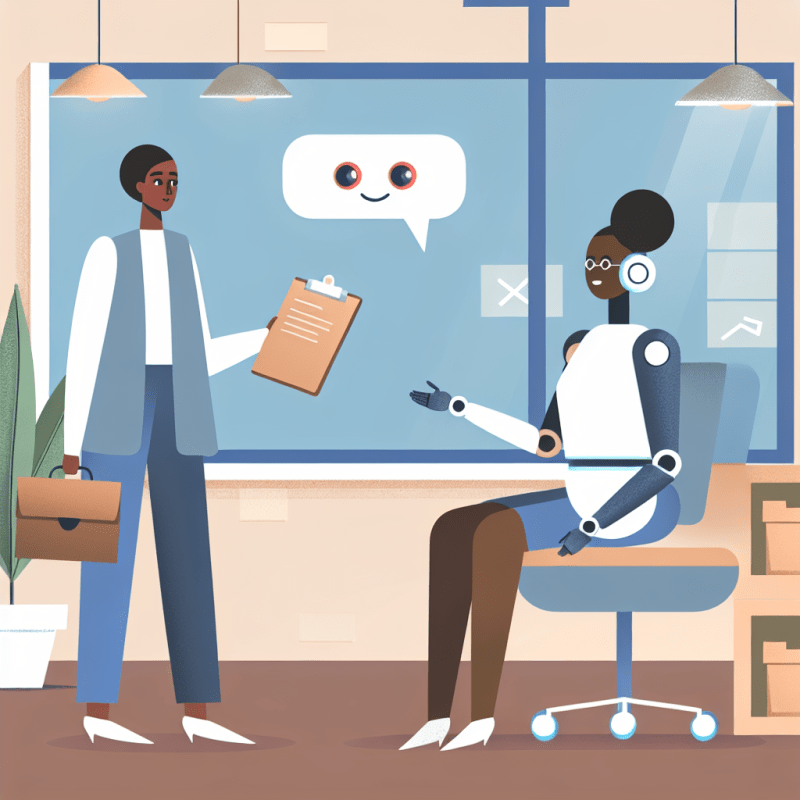
Artificial Intelligence (AI) is increasingly being seen as an engine for efficiency in everyday work. Think of it as a smart assistant that can handle repetitive tasks, quickly find information, and help you make decisions faster. This trend is gaining attention because AI tools are not just for tech experts—they’re now tools that anyone can use to get things done with less effort. For you, this means your daily workload might soon feel lighter and less stressful as AI takes on the routine parts.
What This Means for You
How can AI tools change the way I manage my everyday work tasks?
AI-powered tools can automate repetitive chores like scheduling meetings, sorting emails, or generating reports. Imagine not having to manually sift through hundreds of emails to find the important ones—AI can do that for you. This saves you time and frees you to focus on work that requires your creativity or judgment. So, your typical workday could become more productive and less about ticking boxes.
Will AI make decision-making at work easier for non-experts?
Yes, AI can help break down complex information into clear, actionable insights, even if you’re not a specialist. For example, if you need to choose between several project options, AI tools might analyze data and highlight the pros and cons in simple language. This kind of support can boost your confidence in making decisions and reduce the stress of second-guessing. It’s like having a knowledgeable colleague who explains things in plain English.
Could relying on AI tools change my job or work routine?
Possibly. As AI handles more routine tasks, your job might shift toward more creative, strategic, or interpersonal work. This shift could mean spending less time on dull tasks and more time on projects where your unique skills shine. It may also reduce burnout by cutting down tedious parts of your workload. While this doesn’t happen overnight, being open to AI’s role in your work could help you adapt smoothly as your job evolves.
- Start exploring simple AI tools that automate routine tasks like scheduling or email filtering.
- Use AI-generated insights to support your decisions, especially when facing complex choices.
- Consider how freeing up time from repetitive tasks could let you focus on more meaningful work.
Your Next Step
Try using an AI-powered feature today, such as an automatic email organizer or a smart calendar assistant. Notice how much time it saves you and think about what you can do with those extra minutes.
Source: Read the original
