What Happened
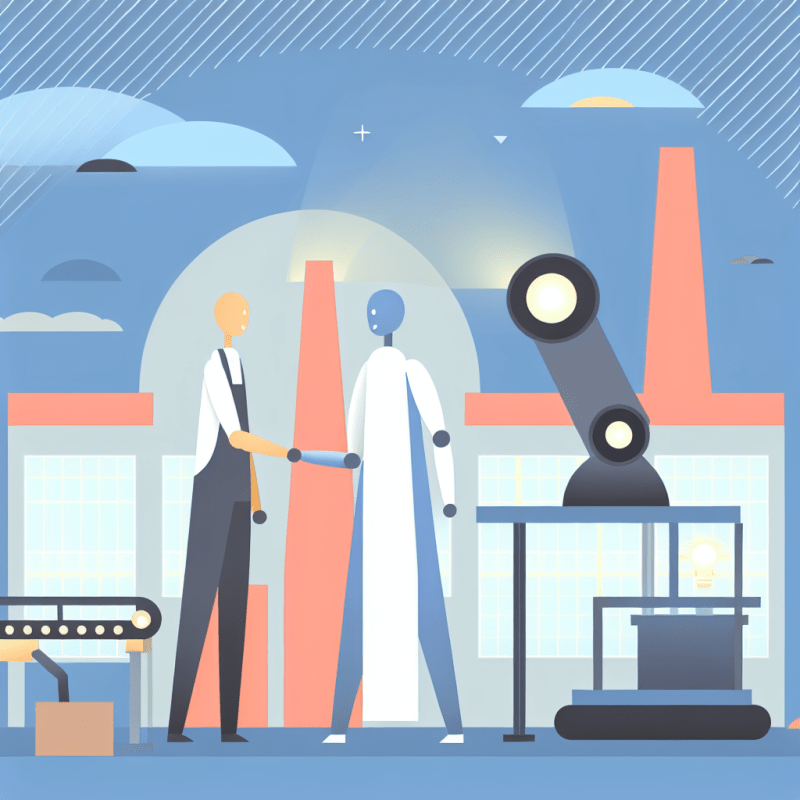
Europe is focusing on bringing artificial intelligence, or AI, into everyday workplaces like factories and research labs. Think of it like adding a smart assistant to the team that helps workers do their jobs better and faster. This approach aims to create “smarter jobs” where humans and intelligent machines work side by side. For you, this means the products you use could become safer and more reliable, while the people making them might have more interesting and collaborative roles.
What This Means for You
How could AI in factories change the products I use every day?
When AI tools are part of the factory process, they can spot mistakes or flaws faster than a human eye alone. For example, a factory making your smartphone could use AI to check every tiny component for quality, reducing the chance of defects. This means the final product you buy might be more reliable and last longer, saving you time and frustration. So, even if you don’t work in a factory, AI’s presence there can improve your daily life through better products.
Will my job be affected even if I don’t work in a factory or lab?
Probably yes, but maybe not in the way you expect. As factories and labs get smarter with AI, the people who make things will work more closely with these intelligent systems. This may lead to new job roles that focus on managing or collaborating with AI tools instead of doing repetitive tasks. For office workers like you, this could mean more teamwork with smart systems in your own workplace, changing how tasks are done and boosting your productivity.
Could AI in the “real economy” make workplaces safer?
Absolutely. AI can monitor factory equipment continuously, predicting when something might break before it causes an accident. Imagine a factory worker knowing ahead of time when a machine needs fixing rather than dealing with sudden breakdowns. This proactive approach could make factories and labs safer places to work, which benefits everyone—whether you work there or rely on the services and products coming from those places.
- Expect more AI-driven quality checks behind the scenes improving everyday products.
- Be ready for job roles to shift toward working alongside smart machines rather than replacing humans.
- Look for safer work environments as AI helps predict and prevent accidents in factories and labs.
Your Next Step
Today, think about how AI tools might already be helping in your workplace or the products you use. You can start by asking colleagues or managers if AI is part of your work process—and consider how you might collaborate with these tools to make your job easier and more interesting.
Source: Read the original
