What Happened
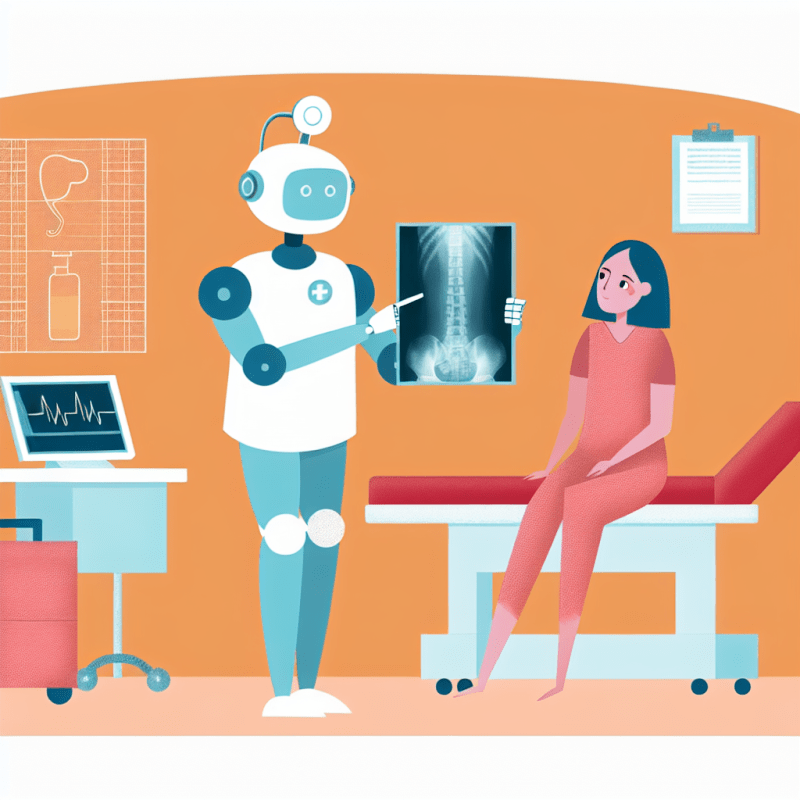
Artificial intelligence (AI) is starting to play a bigger role in orthopaedic research, which deals with bones, joints, muscles, and how to treat injuries or conditions. Think of AI as a smart assistant that helps doctors spot problems faster and come up with better treatment plans. This is important because it could mean you get diagnosed more quickly and receive care that’s tailored just for you. In everyday terms, it’s like having a specialist who remembers every detail and suggests the best options right away, saving you time and possibly reducing how long it takes to heal.
What This Means for You
How might AI change the way my bone or joint problems are diagnosed?
AI tools can look at your X-rays, scans, or medical records with super sharp precision, sometimes catching issues that might be tricky for even experienced doctors to spot right away. For example, if you visit a clinic with a knee injury, AI may help identify the exact damage faster than usual. This means you might leave the doctor’s office knowing more about your condition sooner, avoiding the wait and worry that often comes with unclear diagnoses. Faster, clearer results can help you start the right treatment without delays.
Could AI help me get a treatment plan that fits me better?
Yes. AI can analyze a lot of information about how different patients have responded to treatments and then suggest options that might work best for your unique situation. Imagine your treatment plan being more like a custom-tailored suit rather than one-size-fits-all. This personalized approach could help you recover more quickly and comfortably because the care you get is designed with your own body and lifestyle in mind. This may even reduce costs by avoiding unnecessary tests or therapies.
Should I be worried about my medical data with AI involved?
It’s a fair question. Using AI means your health data is processed by computer programs that learn from many patients’ information. While this can improve care, it also raises concerns about who sees your data and how it’s protected. For everyday patients, it’s important to ask your doctor or clinic how they keep your information safe and whether AI tools they use respect your privacy. Understanding this can give you peace of mind when AI becomes part of your healthcare experience.
- Ask your doctor how AI tools are used in diagnosing or treating your orthopaedic issues.
- Look for treatment options that consider your unique health background, potentially guided by AI insights.
- Inquire about data privacy policies when AI technologies are involved in your care.
Your Next Step
Next time you visit your orthopaedic specialist, ask if they use AI to assist with diagnosis or treatment planning and what that means for your care. This simple question helps you stay informed and engaged with how new technology is shaping your health journey.
Source: Read the original
