What Happened
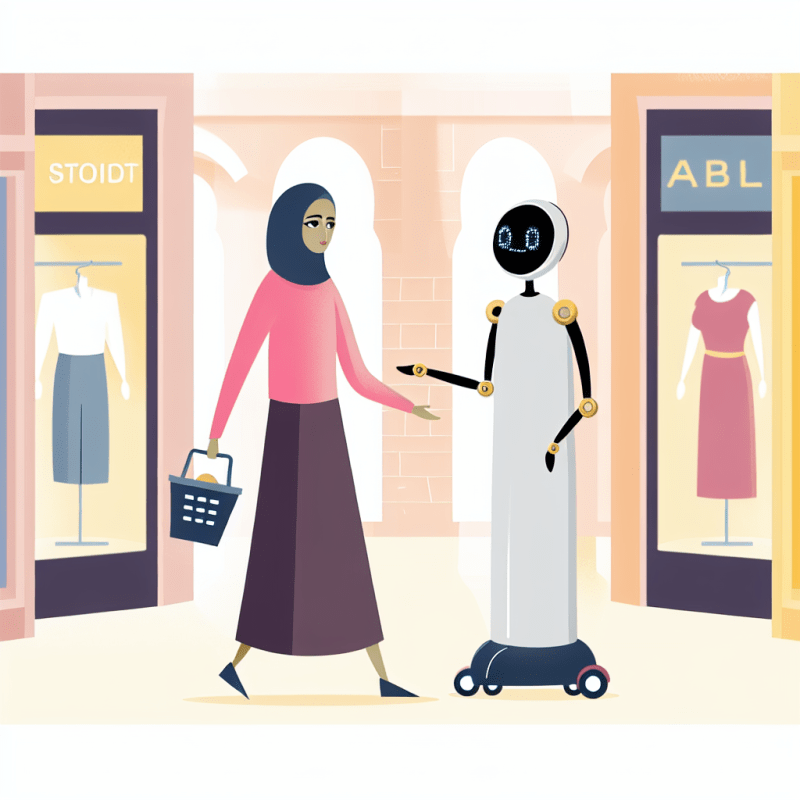
Artificial intelligence, or AI, is becoming a bigger part of how we shop and work in stores. It’s like having a smart helper that quickly suggests products you might like, keeps track of stock behind the scenes, and speeds up checkout so you’re not stuck in long lines. This change is happening quietly but it’s shaping your shopping trips and the jobs of retail workers in stores you visit every day. For you, this means shopping could get easier and faster, but it also raises questions about how your personal information is used.
What This Means for You
How will AI change the way I find products I want?
Think about walking into a store and receiving suggestions tailored just for you, not based on what’s on sale but what fits your tastes and needs. AI can analyze your past shopping habits or preferences to recommend products you might not have noticed otherwise. For example, if you often buy certain snacks, the system might suggest new flavors or healthier options nearby. This personalized shopping helps save time and can make your experience more enjoyable, like having a helpful friend guiding you.
Could AI affect the speed and ease of checking out?
Yes, AI can make paying for your items quicker and smoother. Imagine self-checkout machines that recognize your products as you place them in a bag or mobile apps that let you pay without stopping at a register. For retail workers, AI helps by managing queues and speeding up transactions so customers don’t have to wait long. This means less hassle for you, whether you’re in a rush before work or shopping with kids in tow.
What about my privacy when AI is involved in shopping?
AI relies on data to learn what you like, which means stores collect information from your purchases and sometimes your browsing habits. While this can improve your shopping experience, it also means your personal data is being used and stored. The important part is that retailers should be transparent about what they collect and how it’s protected. Knowing this helps you make informed choices about sharing information during your shopping trips.
- Look for stores that explain clearly how they use your shopping data.
- Try personalized recommendations as a way to discover new products without spending extra time searching.
- Take advantage of faster checkout options to save time, especially during busy shopping days.
Your Next Step
Next time you shop, pay attention to any personalized suggestions or new checkout methods and think about how they change your experience. You might find a faster or more enjoyable way to shop that fits your routine.
Source: Read the original
