What Happened
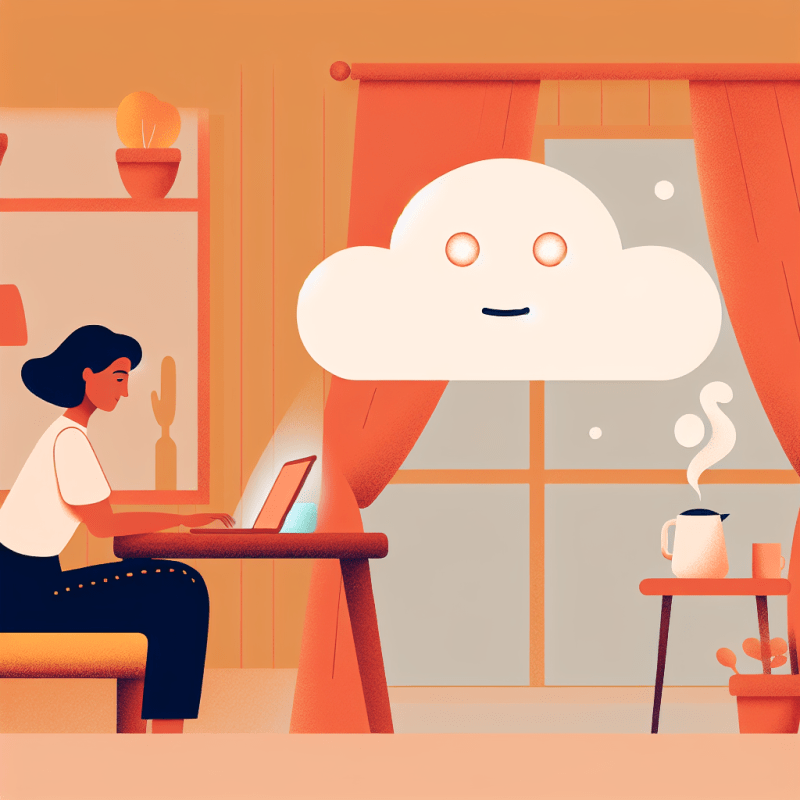
AI tools are everywhere now, helping you write emails, organize your calendar, and even brainstorm ideas. But using AI too much can tire your brain in a way that’s starting to get noticed—people call it "AI brain fry." It’s like when you eat too much junk food and feel sluggish; with AI, the overload of suggestions and decisions can cause mental fatigue. This matters because while AI aims to boost your productivity, it might actually slow you down if you’re not careful about how you use it.
What This Means for You
How can I tell if AI is helping or hurting my focus?
If you find yourself constantly switching between AI-generated options or second-guessing suggestions, you might be experiencing AI mental fatigue. Imagine trying to choose a movie with too many streaming options—it gets overwhelming and stressful. At work, this can mean spending extra time filtering AI’s advice instead of getting tasks done. Paying attention to how often you feel distracted or drained after using AI tools can help you spot when they cross the line from helpful to harmful.
Is relying on AI making me less creative or independent?
Relying heavily on AI might reduce the chance to stretch your own thinking muscles. For example, if you always let AI draft your emails or reports, you might miss out on coming up with unique ideas yourself. Over time, this may lead to decision fatigue, where your brain gets tired of constant choices presented by AI, making it harder to think creatively. Balancing AI assistance with your own input keeps your mind active and sharp at work.
What can I do to avoid getting mentally drained by AI tools?
One simple way is to set clear limits on when and how you use AI during your workday. For instance, use it only for repetitive or time-consuming tasks instead of every single decision. This approach keeps AI as a helpful assistant rather than a constant bombardment of information. Taking regular breaks away from screens and AI suggestions can also refresh your focus and prevent mental exhaustion.
- Notice when AI suggestions start to feel overwhelming or distracting.
- Use AI selectively—reserve it for tasks that really benefit from automation.
- Take breaks to rest your brain and avoid decision overload caused by AI.
Your Next Step
Today, try setting a specific time block where you turn off AI tools and work without assistance. Notice how your focus and creativity feel during that period compared to when you rely heavily on AI.
Source: Read the original
