What Happened
Recently, the Trump administration appealed a court ruling that stopped the Pentagon from taking action against Anthropic, an AI company, over a disagreement about AI safety. Think of it like a neighborhood dispute where neighbors argue over how a new gadget should be used or controlled. This legal back-and-forth shows how seriously governments are taking the control and safety of artificial intelligence. Why should you care? Because these decisions could shape how safe and reliable the AI tools you use every day will be.
What This Means for You
How could this dispute affect the safety of AI I use at work or home?
The dispute centers around who gets to decide how AI systems are built and monitored to keep them safe. For example, if companies or governments don’t agree on safety rules, the AI tools you rely on—like chat assistants or automated scheduling—might behave unpredictably or even make mistakes. This means the AI you trust to help with your tasks could become less dependable, making it harder for you to work efficiently or feel confident about the advice these tools offer.
Will this legal battle influence access to AI tools I use daily?
Potentially, yes. If the dispute leads to tighter government controls or limits on certain AI companies, some AI services might become harder to find or slower to improve. Imagine your favorite productivity app suddenly losing key features because of new restrictions. This could affect how quickly new AI capabilities reach your office software or personal apps, changing the way you interact with technology on a daily basis.
Could this conflict change who controls AI development and why does that matter to me?
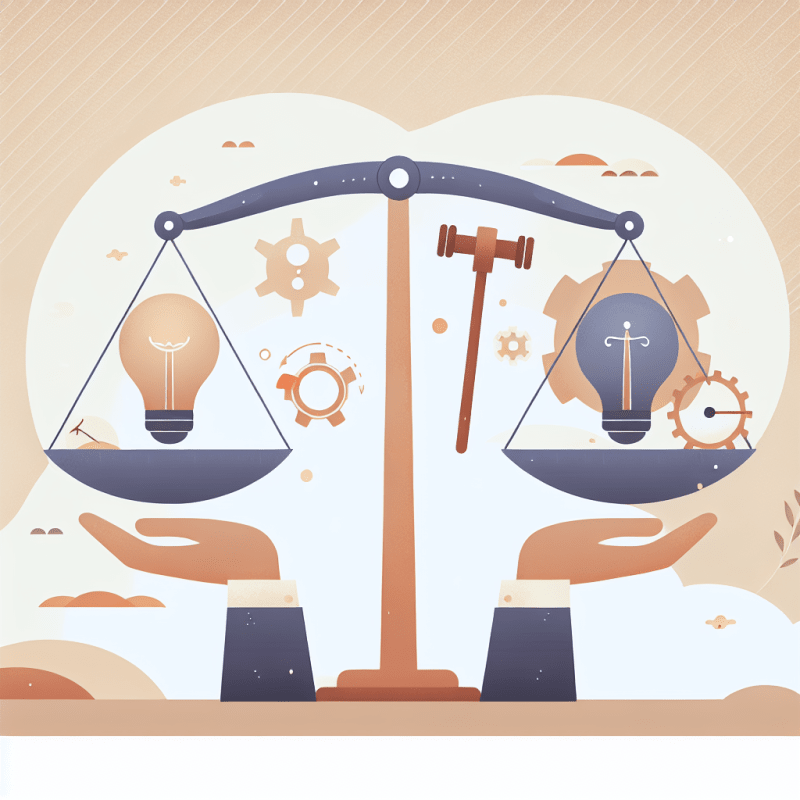
The disagreement highlights a bigger question: who should have the power to guide AI’s future? Should it be private companies focused on innovation, or governments focused on security? This matters because control influences AI’s priorities—whether it emphasizes creativity and convenience, or strict safety and oversight. For you, this means the AI tools you use might reflect different values, impacting everything from privacy to how helpful or cautious these systems are.
- Stay curious about news on AI regulations and safety debates—they shape the tools you use.
- Think critically about the AI services you rely on, especially as rules around them evolve.
- Prepare for possible changes in AI features or availability as legal disputes affect tech development.
Your Next Step
Today, take a moment to review the AI tools you use regularly at work or home and note any concerns you have about their reliability or safety. This awareness will help you adapt better if regulations or features change soon.
Source: Read the original
