What Happened
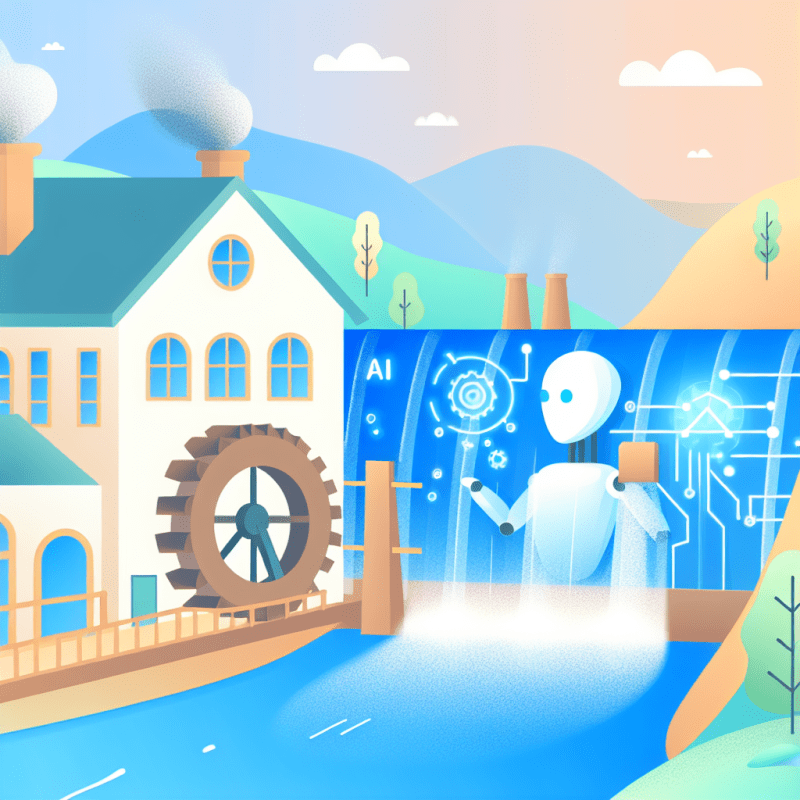
Imagine trying to run your favorite apps or tools, but the power keeps flickering or running out. That’s similar to what’s happening with AI development globally. The race to lead in AI technology—especially between the U.S. and China—depends heavily on having a steady and reliable energy supply. Without consistent power, AI systems can’t run smoothly or grow quickly. This matters to you because the speed and reliability of AI tools you use daily, like virtual assistants or smart office software, depend on this energy stability behind the scenes.
What This Means for You
How does energy supply affect the AI tools I use at work?
Your AI-powered tools—whether it’s software that schedules meetings, analyzes data, or helps with customer service—need constant electricity to work efficiently. If the energy supply is unstable, these tools might slow down or even stop working temporarily. For example, a cloud-based AI system in a data center needs continuous power to process your requests quickly. So, when energy supply is strong and steady, your work flows smoothly without frustrating interruptions.
Could energy issues change the kinds of jobs AI can do?
Yes, because AI’s progress depends on energy availability, some tasks might be easier or harder for AI to handle. If energy is limited, companies might delay using advanced AI that requires a lot of power, meaning certain jobs stay human-led longer. On the other hand, reliable energy could speed up AI development, automating more routine office work like data entry or customer support. This could shift job roles, making adaptability a key skill for you in the future workplace.
Should I worry about AI progress slowing down because of energy problems?
It’s possible that energy challenges could slow AI development temporarily, but it’s also an opportunity. For instance, investing in renewable energy sources might make AI more sustainable and less prone to power issues. This means AI tools could become more reliable over time. For your daily life, it’s good to stay aware that the tech you rely on might improve as energy systems get smarter and greener, but occasional hiccups aren’t out of the question.
- Keep track of updates about power reliability in your region to understand potential impacts on your work tools.
- Develop skills that complement AI, especially those requiring creativity or complex problem-solving, which AI can’t easily replace.
- Be open to using AI tools that focus on energy-efficient solutions, as this trend may grow with the energy supply focus.
Your Next Step
Today, check if your workplace or home has backup power plans or energy-efficient practices to support smooth use of AI tools during power interruptions. It’s a simple way to stay prepared as energy and AI continue to evolve together.
Source: Read the original
