What Happened
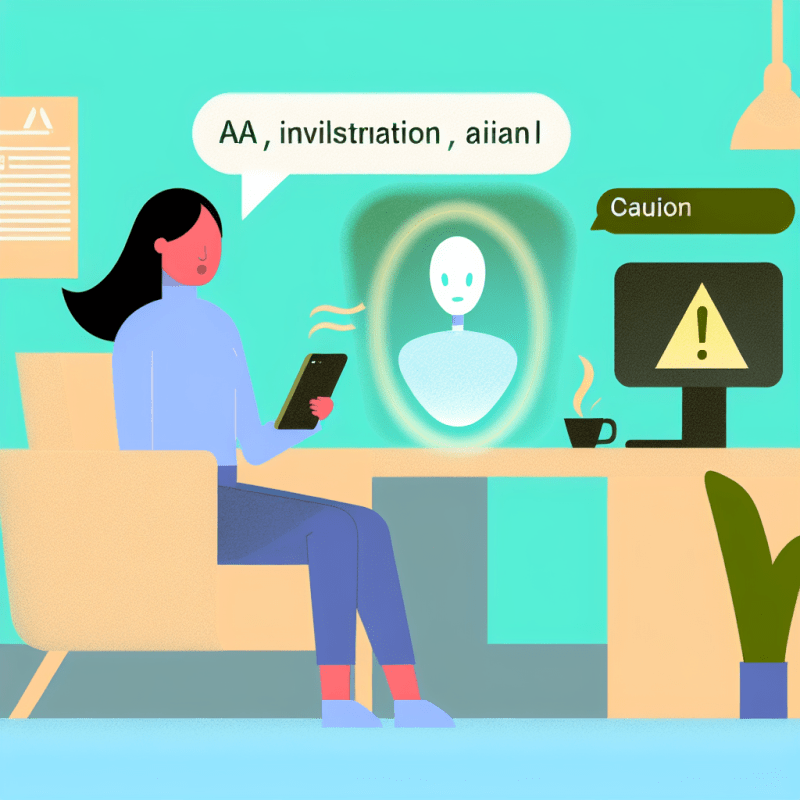
Recently, a complaint was filed accusing OpenAI, the company behind popular AI tools, of practicing law without a license. This means some people believe OpenAI’s AI might be giving legal advice, which usually only licensed lawyers are allowed to do. Think of it like someone offering medical advice without being a doctor—it raises questions about safety and responsibility. For you, whether at work or home, this raises a red flag about trusting AI for important legal questions without double-checking with a real expert.
What This Means for You
How might AI giving legal advice affect my everyday decisions?
When AI tools suggest legal advice, it might sound convincing, but they don’t have the full understanding or official training human lawyers do. For example, you might ask an AI about a contract clause, and it could give you an answer that seems right but misses key details. If you rely on that advice to sign a contract at work, you could face unexpected problems later. This means you should be cautious about taking AI's legal answers at face value, especially for decisions that could have serious consequences.
Can I trust AI tools to handle sensitive legal matters at my job?
AI can be a helpful starting point to understand legal topics, but it’s not a substitute for professional advice. Imagine you work in an office and need to comply with new workplace laws — using AI to “quickly check” might save time, but it could also lead to errors if the AI misses recent updates or nuances. This may lead to mistakes that affect your company or your role. It’s safer to use AI as a guide, then confirm decisions with a qualified lawyer when it matters.
What should I watch out for when using AI for advice beyond legal issues?
The OpenAI complaint highlights a bigger point: AI might sound knowledgeable but can’t replace human judgment, especially for complex or sensitive topics. Whether it’s legal, financial, or medical advice, AI responses might be incomplete or outdated. For example, if you ask an AI about tax rules, you might get general info that isn’t tailored to your personal situation, which could cause trouble later. The best approach is to treat AI as a helpful assistant, not the final authority.
- Use AI tools to gather general information, not to make final legal decisions.
- Always consult a licensed professional for important or sensitive legal matters.
- Be aware that AI advice can be incomplete or incorrect, so verify key facts independently.
Your Next Step
Today, if you use AI tools for legal questions, try this: write down your question, then look up a trusted lawyer or legal advisor who can review the AI’s answer before you act on it. This simple step can protect you from costly mistakes.
Source: Read the original
