Introduction
Artificial Intelligence (AI) continues to evolve beyond mere automation, steering a profound shift in how humans manage time and productivity. Recent discussions highlight AI’s growing capacity to relieve individuals from repetitive, mundane tasks, allowing a reallocation of energy towards creative and empathetic endeavors. This transformation suggests a future where AI enhances human experiences instead of merely replacing them. Understanding this dynamic is crucial for appreciating AI’s role in reshaping both work environments and personal lives.
Main points
AI Automating Routine Tasks
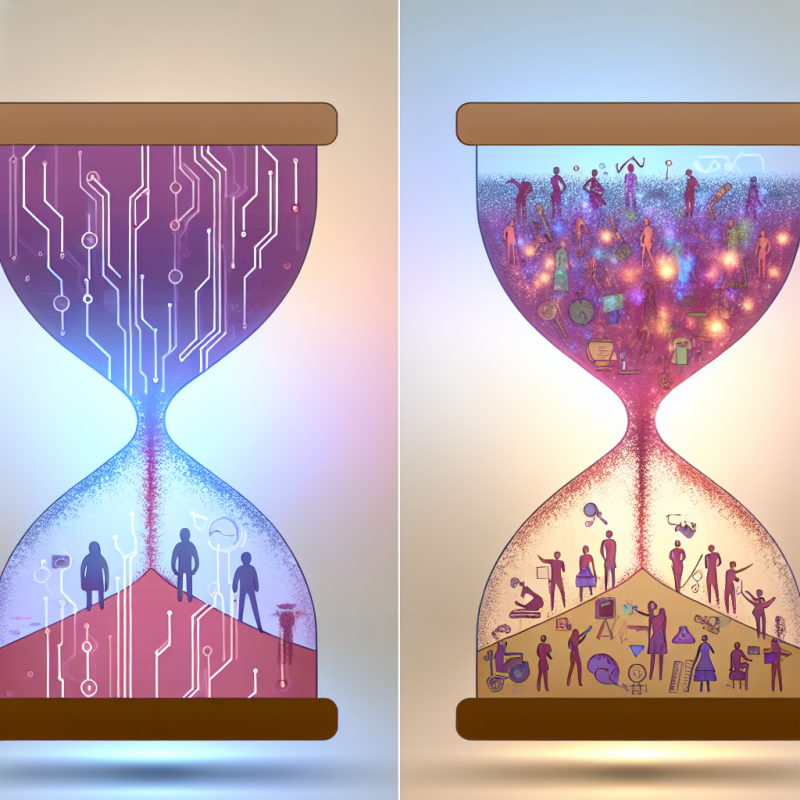
Artificial Intelligence has made significant strides in automating routine and repetitive activities across various sectors, from administrative duties to data processing. This automation reduces human involvement in mechanical labor, freeing up time and cognitive resources. Such a trend implies that workers can shift focus from tedious tasks to more meaningful projects that require creativity and emotional intelligence. This move suggests a fundamental redefinition of productivity that prioritizes human ingenuity over mechanical output.
Impact on Human Time Management
By handling time-consuming tasks, AI offers individuals more control over their schedules, enabling better work-life balance. Automation tools help reduce task overload and minimize burnout, which enhances overall well-being. For those following the industry, this highlights how technology can serve as an enabler rather than a disruptor of personal and professional time management. The emphasis moves from sheer task completion to quality engagement with work and life.
Enhancing Creativity and Relationships
With AI alleviating routine burdens, people gain bandwidth to invest in activities that foster creativity, personal growth, and interpersonal connections. This shift emphasizes technology’s role in supporting the uniquely human aspects of life that machines cannot replicate. It is worth noting that this transformation encourages a more holistic view of productivity, one that values emotional intelligence and innovation alongside efficiency. Consequently, AI is positioned as a tool that enriches human experiences rather than limits them.
- AI automates repetitive tasks, freeing human capacity for creative and empathetic work.
- Better time management through AI can improve well-being and work-life balance.
- Technology supports human-centric productivity, enabling growth in creativity and relationships.
Conclusion
The integration of Artificial Intelligence into daily workflows represents more than efficiency gains; it signals a transformative reimagining of productivity itself. By automating routine tasks, AI not only increases output but also restores time for pursuits that nurture creativity, empathy, and personal development. This evolution aligns with a vision of the future where technology empowers humans to focus on what makes life meaningful, rather than confining them to mechanized labor. As this shift progresses, organizations and individuals alike will benefit from embracing AI as a partner in enhancing human potential. Moving forward, exploring practical ways to integrate AI tools that support this balance will be key to unlocking its full promise.
Source: Read the original
