Introduction
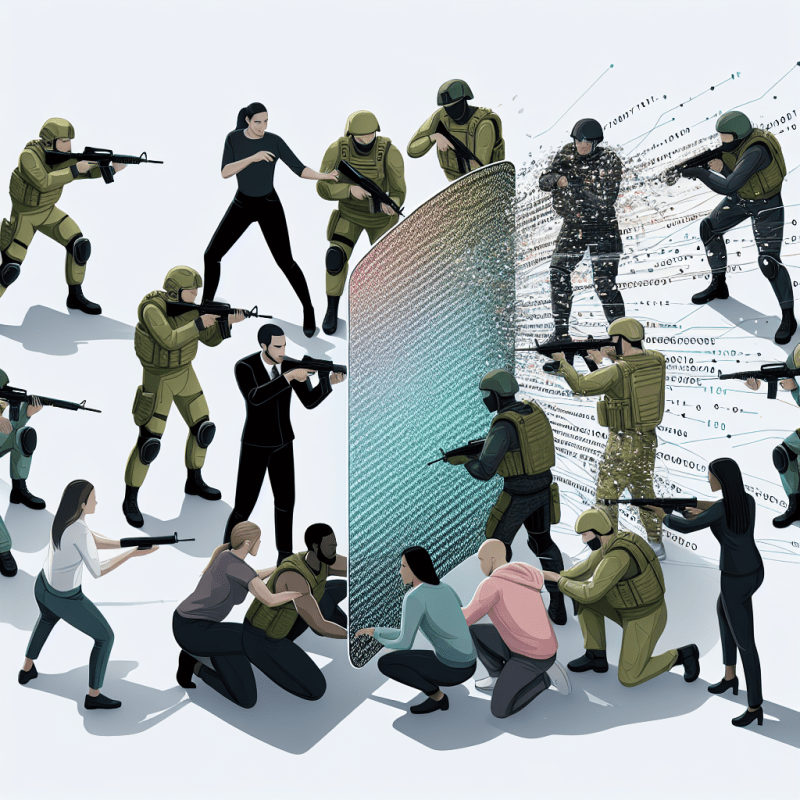
The U.S. Department of War has recently announced the creation of a specialized "SWAT Team" dedicated to removing obstacles in artificial intelligence development within the military sector. This initiative marks a significant shift toward more agile and accelerated military innovation. By streamlining processes and cutting through bureaucratic delays, the department aims to fast-track AI advancements that could have far-reaching implications. This move suggests a transformative approach to integrating AI technologies in defense, setting a new standard for government-driven tech projects.
Main points
Focused Team to Accelerate Military AI Innovation
The War Department's new SWAT Team is designed as an agile task force tasked with identifying and eliminating barriers hindering AI progress in defense applications. This includes streamlining acquisition, development cycles, and regulatory hurdles that typically slow innovation. By centralizing these efforts, the military hopes to accelerate deployment of cutting-edge AI tools for operational advantage. For those following the industry, this highlights a growing trend where military innovation turns to rapid, iterative development models typically seen in the private tech sector.
Redefining the Defense Technology Competitive Landscape
The establishment of this SWAT Team signals a shift in how defense technologies are developed and deployed, potentially reshaping the competitive dynamics among global powers. Faster AI integration into military systems could provide a decisive edge in both strategic planning and battlefield capabilities. Moreover, this military-driven acceleration may spill over into civilian AI markets, pushing broader adoption and innovation at a faster pace. It is worth noting that such rapid advancements also demand careful consideration of ethical frameworks to mitigate unintended consequences.
Ethical and Strategic Implications of Rapid Deployment
While accelerating AI development offers clear strategic benefits, it raises complex ethical questions around oversight, accountability, and the potential risks of deploying unproven technologies in sensitive defense environments. The SWAT Team’s approach emphasizes speed, but this must be balanced with rigorous testing and validation to avoid unintended outcomes. This tension reflects broader challenges in AI governance where the pressure to innovate quickly intersects with the need for responsible use. Observers should watch how these ethical debates evolve alongside technological progress in military applications.
- The War Department’s SWAT Team embodies a new model for expediting military AI innovation by removing traditional barriers.
- Accelerated AI development in defense could shift global technology competition and influence civilian AI adoption patterns.
- Rapid deployment of AI technologies necessitates a balanced approach to ethics and risk management in defense contexts.
Conclusion
The creation of a dedicated SWAT Team to clear obstacles in military AI development represents a strategic pivot toward faster, more efficient innovation within the defense sector. This move not only aims to secure technological superiority but also sets a precedent for how government agencies can streamline complex tech initiatives. In the long term, the ripple effects may extend beyond military applications, accelerating civilian AI integration and shaping public discourse on technology ethics. As defense organizations embrace this accelerated pace, it becomes increasingly important to foster transparent governance that ensures AI is deployed safely and responsibly. Moving forward, keeping an eye on how these developments influence both military capabilities and societal norms will be essential for stakeholders across industries.
Source: Read the original
