Introduction
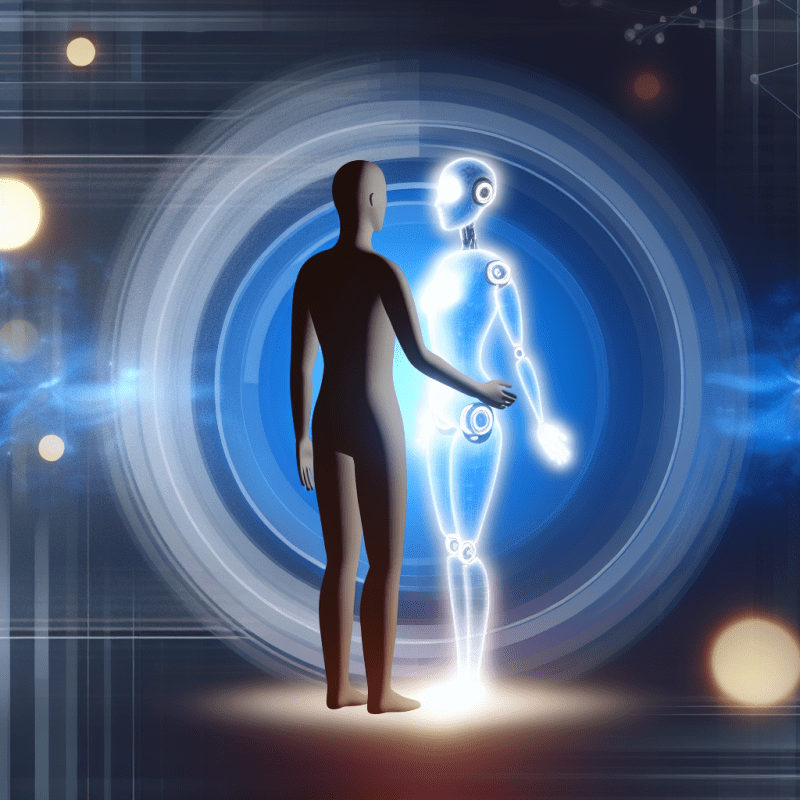
Mustafa Suleyman, a prominent figure in artificial intelligence development, recently shared a compelling vision anticipating that within five years, AI will evolve from mere tools into close personal companions. This shift marks a profound transformation in how humans interact with technology, moving beyond functional utility toward emotional and social integration. Such a development signals a new era where AI companionship becomes an intrinsic part of everyday life, influencing not just tasks but mental and emotional well-being. This insight opens up fresh perspectives on the future relationship between humans and AI.
Main points
AI as a Personal Companion
Suleyman envisions AI systems that function almost like best friends, providing personalized support and connection. Unlike current AI assistants designed primarily for productivity, these companions would engage users on emotional and social levels, understanding moods and preferences. This move suggests a paradigm shift where AI is no longer just reactive but deeply interactive and empathetic. Such emotional AI could redefine user experience by fostering trust and companionship, blurring the line between technology and human relationships.
Impact on User Experience
Transitioning to AI companionship will disrupt traditional user interfaces and engagement models. Instead of simple commands, interactions will be more conversational, nuanced, and tailored to individual emotional states. For those following the industry, this highlights the rise of emotional AI as a critical factor that could drive adoption beyond conventional markets. This evolution challenges developers to create systems that are context-aware and emotionally intelligent, creating more natural and meaningful experiences for users.
New Markets and Mental Wellness
The emergence of AI companions will likely spawn new markets focused on personalized AI-based mental health and wellness solutions. AI that provides emotional support can complement traditional therapy or act as a first line of assistance for loneliness and stress. This potential expansion emphasizes the strategic angle of AI’s role in enhancing mental wellness through companionship. It also underscores a broader economic opportunity in industries dedicated to holistic well-being powered by intelligent, empathetic AI technology.
- AI companionship will transform technology from a utility to an emotional and social partner.
- Emotional AI will reshape user experience with more empathetic, context-aware interactions.
- New markets in personalized mental wellness and emotional support are poised for growth.
Conclusion
Mustafa Suleyman’s vision of AI as a close companion within five years illuminates a strategic turning point in artificial intelligence and human-computer interaction. This evolution promises not only enhanced convenience but also deeper emotional connections, potentially revolutionizing how people relate to technology on an everyday basis. The integration of emotional intelligence into AI systems could foster unprecedented levels of personalization and support, fundamentally altering social dynamics and mental health paradigms. As AI companions become more common, they may help bridge gaps in human connection and well-being, creating new opportunities and challenges alike. For those interested in the future of AI, exploring emotional AI’s development and its societal implications will be essential in the coming years.
Source: Read the original
